

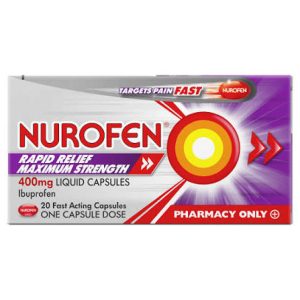
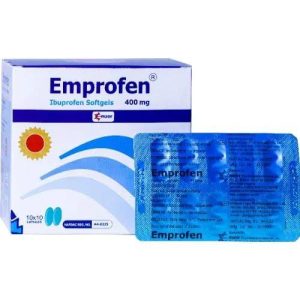
Nurofen is a globally recognized brand name for Ibuprofen, a nonsteroidal anti-inflammatory drug (NSAID). Manufactured by Reckitt, Nurofen is widely used to treat mild-to-moderate pain, reduce inflammation, and lower fever in adults and children.
Active Ingredient & Mechanism of Action
-
Active Ingredient: Ibuprofen (some variants contain ibuprofen lysine or sodium, which absorb more rapidly).
-
Mechanism: Nurofen works by non-selectively inhibiting the cyclooxygenase enzymes (COX-1 and COX-2):
-
Inhibition of Prostaglandins: It blocks the conversion of arachidonic acid into prostaglandins—chemical messengers responsible for triggering pain, fever, and localized tissue swelling.
-
Anti-Inflammatory Effect: By reducing prostaglandin production directly at the site of inflammation or injury, it provides targeted pain relief and eases swelling.
-
Available Formulations & Variants
Nurofen is produced in a wide variety of strengths, formats, and targeted formulations:
-
Standard Oral Tablets & Caplets: 200 mg and 400 mg (e.g., Nurofen 200mg, Nurofen Forte 400mg).
-
Rapid-Absorbing Formulations: Nurofen Express (containing ibuprofen lysine or sodium for faster absorption and quicker onset of pain relief).
-
Targeted Release / Sustained Release: Formulations designed for longer-lasting relief (e.g., Nurofen Zavance or Nurofen Retard).
-
Pediatric Formulations (Nurofen for Children): 100 mg / 5 mL and 200 mg / 5 mL sugar-free liquid suspensions (often orange or strawberry flavored), along with soft chewable capsules for older children.
-
Topical Formulations: Nurofen Gel (5% ibuprofen) applied directly to the skin for localized joint, tendon, or muscle pain.
-
Combination Formulations: Nurofen Plus (combining ibuprofen with codeine) or Nurofen Cold & Flu (combining ibuprofen with phenylephrine or pseudoephedrine).
Clinical Indications
Nurofen is indicated for the temporary relief of:
-
Headaches & Migraines: Tension headaches, sinus headaches, and acute migraine symptoms.
-
Musculoskeletal Pain: Backache, muscular strains, sprains, joint pain, and rheumatic pain.
-
Dental & Periodontal Pain: Toothaches and post-dental procedure discomfort.
-
Dysmenorrhea: Period pain and menstrual cramps.
-
Fever & Symptoms of Cold/Flu: Lowering high body temperature and easing accompanying body aches.
Key Pharmacokinetics
-
Absorption: Rapidly absorbed from the gastrointestinal tract. Standard tablets reach peak plasma levels in about 1 to 2 hours, whereas liquid softgel or lysine formulations can achieve peak levels in under 45 minutes.
-
Metabolism & Elimination: Extensively metabolized by the liver via CYP2C9 into inactive metabolites. It has a short half-life of approximately 2 hours and is excreted primarily through the kidneys in urine.
Administration Guidelines & Dosage Limits
-
Taking with Food: Should ideally be swallowed whole with water after a meal or with food/milk to minimize stomach irritation.
-
Standard Adult Dosing: 200 mg to 400 mg taken every 4 to 6 hours as needed.
-
Maximum Daily Dose Limits:
-
OTC Maximum: 1,200 mg in 24 hours for adults and children over 12 years (unless supervised by a physician).
-
-
Pediatric Dosing (Nurofen for Children): Dosed strictly based on body weight (typically 5 to 10 mg/kg per dose) every 6 to 8 hours (maximum 30 to 40 mg/kg per day).
Safety Profile & Key Considerations
-
Gastrointestinal Caution: Can cause stomach upset, heartburn, nausea, or abdominal pain. Prolonged use or high doses carry a risk of stomach ulcers and gastrointestinal bleeding.
-
Cardiovascular & Renal Precautions: Long-term high-dose use increases the risk of high blood pressure, fluid retention, kidney impairment, and cardiovascular events.
-
Asthma Warning: Individuals with a history of aspirin-sensitive or NSAID-induced asthma should avoid Nurofen, as it can trigger bronchospasm.
-
Pregnancy Warning: Contraindicated during the third trimester of pregnancy (can cause premature closure of the fetal ductus arteriosus and renal complications). Avoid during the first and second trimesters unless specifically advised by a doctor.
-
Key Drug Interactions:
-
Aspirin & Blood Thinners (e.g., Warfarin): Significantly elevates the risk of internal bleeding.
-
Antihypertensives & Diuretics: May reduce the blood-pressure-lowering effects of these medications.
-
Other NSAIDs / Corticosteroids: Co-administration with other NSAIDs (e.g., naproxen, diclofenac) increases toxicity risks without added benefit.
-
Note: Nurofen is an over-the-counter and pharmacy-only medication. Recommended dosage limits, age appropriateness, and individual risk factors (such as a history of ulcers or kidney disease) should be reviewed with a doctor or pharmacist.








Reviews
There are no reviews yet.