
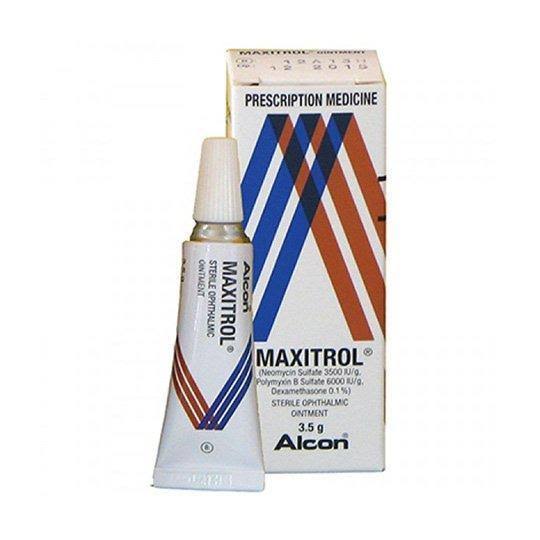
An eye ointment is a sterile, semi-solid, petrolatum- or mineral-oil-based drug formulation applied directly to the inner surface of the lower eyelid or eye margins.
Because of its thick base, an eye ointment stays in contact with the eye much longer than liquid eye drops. This provides sustained drug release and long-lasting lubrication, though it temporarily blurs vision.
Common Types of Eye Ointments
| Class / Type | Active Ingredients | Common Uses |
| Lubricating / Barrier | Mineral oil, White petrolatum, Lanolin | Severe dry eye, nighttime lagophthalmos (inability to close eyes fully during sleep). |
| Antibiotic | Chloramphenicol, Tobramycin, Ciprofloxacin, Neomycin/Polymyxin B, Erythromycin | Bacterial conjunctivitis, blepharitis, styes, and superficial corneal ulcers/abrasions. |
| Corticosteroid / Combination | Dexamethasone, Betamethasone (+ Antibiotics) | Severe post-surgical inflammation, non-infectious allergic eyelid/conjunctival swelling. |
| Antiviral | Acyclovir, Ganciclovir | Ocular herpes simplex virus (HSV) keratitis. |
Step-by-Step Application Technique
Key Clinical Rules & Precautions
-
Temporary Blurred Vision: Ointments melt into a clear oil coating over the cornea, causing temporary blurred vision. For this reason, medicated ointments are often prescribed for bedtime use, or paired with daytime eye drops. Avoid driving until your vision clears fully.
-
Contact Lens Caution: Remove contact lenses before application. The petrolatum matrix binds to contact lens materials and permanently clouds them. Reinsert lenses only when permitted by your doctor or after stopping treatment.
-
Sequence with Eye Drops (“Drops First, Ointment Last”): If prescribed both liquid eye drops and an eye ointment:
-
Apply the liquid eye drop first.
-
Wait 5 to 10 minutes.
-
Apply the eye ointment last. (Applying ointment first creates a waterproof barrier that blocks eye drops from penetrating).
-



Reviews
There are no reviews yet.