
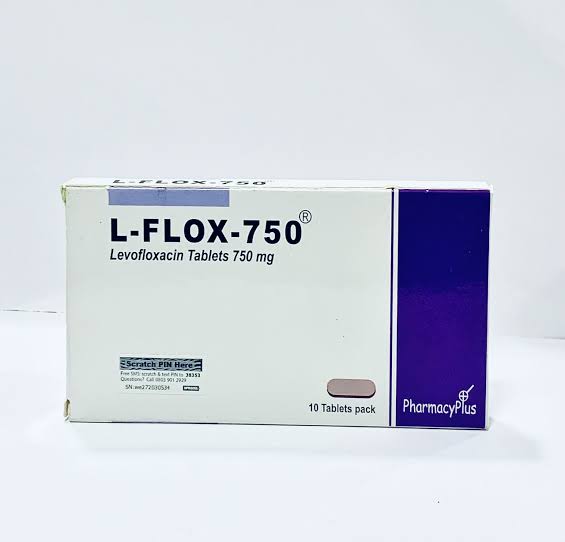
L-Flox
L-Flox is a potent, broad-spectrum fluoroquinolone antibiotic containing levofloxacin (the active S-enantiomer of ofloxacin). It works by inhibiting bacterial DNA gyrase and topoisomerase IV, essential enzymes required for bacterial DNA replication, transcription, repair, and recombination. Because of its high oral bioavailability and bactericidal activity, L-Flox is highly effective against a wide array of Gram-positive, Gram-negative, and atypical pathogens.
Primary Medical Indications
L-Flox is prescribed for adult patients to treat mild, moderate, and severe bacterial infections, including:
-
Respiratory Infections: Community-acquired pneumonia (CAP), nosocomial pneumonia, acute bacterial exacerbations of chronic bronchitis, and acute bacterial sinusitis.
-
Urinary Tract & Renal Infections: Complicated and uncomplicated urinary tract infections (UTIs), pyelonephritis (kidney infection), and chronic bacterial prostatitis.
-
Skin & Soft Tissue Infections: Complicated and uncomplicated skin and skin structure infections (cellulitis, wound infections, abscesses).
-
Other Indications: Inhalational anthrax (post-exposure management) and plague treatment/prophylaxis.
Key Product Specifications & Dosing Forms
| Feature | Specification |
| Active Ingredient | Levofloxacin (as Hemihydrate) |
| Pharmacological Class | Third-generation Fluoroquinolone Antibiotic |
| Available Formulations | Film-coated tablets, IV infusion solution, ophthalmic drops |
| Common Strengths | 250 mg, 500 mg, 750 mg |
| Administration | Take once daily with or without food. Maintain adequate hydration to prevent crystalluria. Separate from antacids or iron supplements |
Critical Safety Guidelines & Boxed Warnings
-
Black Box Warning: Fluoroquinolones, including L-Flox, are associated with an increased risk of severe adverse reactions including tendonitis, tendon rupture (especially the Achilles tendon), peripheral neuropathy, central nervous system toxicity, and exacerbation of myasthenia gravis.
-
Chelation Interactions: Do not take L-Flox simultaneously with aluminum- or magnesium-containing antacids, sucralfate, iron supplements, or multivitamin preparations with zinc, as they bind to levofloxacin and severely impair absorption. Administer at least 2 hours before or 2 hours after these agents.
-
QT Prolongation: Avoid in patients with known prolongation of the QT interval, uncorrected hypokalemia, or those taking Class IA or Class III antiarrhythmic agents.
-
Hydration: Ensure adequate liquid intake throughout the day while taking L-Flox to avoid high concentration in the kidneys and lower the risk of crystalluria.







Reviews
There are no reviews yet.