Active Ingredient & Mechanism of Action
-
Active Ingredient: Lamivudine.
-
Intracellular Activation: Lamivudine is an inactive prodrug that enters host cells and is sequentially phosphorylated by cellular enzymes into its active metabolite, lamivudine triphosphate (L-TP).
-
Dual Antiviral Mechanism:
-
Competitive Inhibition: L-TP competes with natural deoxycytidine triphosphate (dCTP) for binding to viral reverse transcriptase (in HIV) or viral DNA polymerase (in HBV).
-
Chain Termination: Once incorporated into the growing viral DNA chain, the lack of a 3′-hydroxyl group prevents the addition of further nucleotides, resulting in immediate viral DNA chain termination and inhibition of viral replication.
Dosage Forms & Common Strength Variations
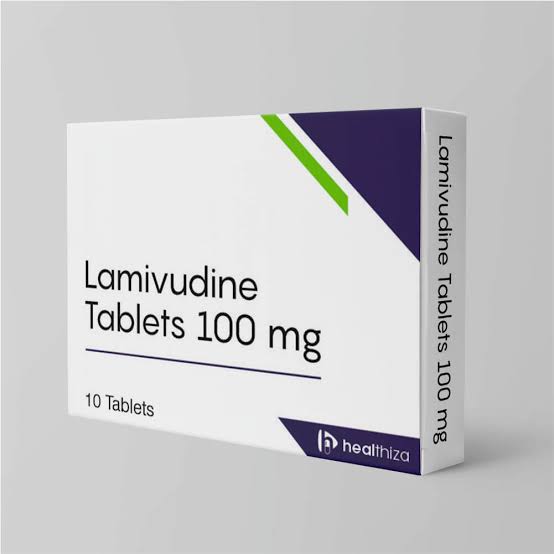
Lamivudine is available as a single-agent formulation and as a core component in various fixed-dose combination antiretroviral therapies (ART):
Clinical Indications
-
HIV-1 Infection: Used in combination with other antiretroviral agents (such as integrase inhibitors or non-nucleoside reverse transcriptase inhibitors) for the treatment of HIV-1 infection in adults and children.
-
Chronic Hepatitis B (HBV): Treatment of chronic hepatitis B virus infection associated with viral replication and active liver inflammation.
-
Note: The 100 mg dose used for HBV is insufficient for HIV treatment; patients co-infected with HIV and HBV must receive the higher HIV-standard dosing (300 mg daily) as part of a fully suppressive antiretroviral regimen to avoid inducing HIV resistance.
Key Pharmacokinetics
-
Absorption: Rapidly absorbed from the gastrointestinal tract with an absolute oral bioavailability of approximately 80% to 85%.
-
Food Effect: Can be taken with or without food (food delays Tmax slightly but does not significantly affect overall absorption).
-
Elimination & Half-Life: Plasma elimination half-life is approximately 5 to 7 hours, but the intracellular half-life of active lamivudine triphosphate is significantly longer (16–19 hours in HIV-infected cells), supporting once-daily or twice-daily dosing schedules.
-
Excretion: Primarily excreted unchanged in urine via active tubular secretion and glomerular filtration. Dose adjustments are necessary in patients with impaired renal function.
Administration Guidelines
-
Usage: Administered orally once or twice daily depending on the dosage formulation and clinical indication:
-
Renal Adjustments: Because it is cleared by the kidneys, dose reductions or extended dosing intervals are required for patients with a creatinine clearance below 50 mL/min.
Safety Profile & Considerations
-
Common Side Effects: Headache, fatigue, nausea, diarrhea, abdominal discomfort, nasal symptoms, and general malaise.
-
Boxed Warnings & Major Precautions:
-
Severe Acute Exacerbation of Hepatitis B: Discontinuation of lamivudine in patients co-infected with HBV can trigger severe, potentially fatal flare-ups of hepatitis. Liver function must be monitored closely for several months after stopping treatment.
-
Emergence of Resistance: Monotherapy with lamivudine rapidly leads to the emergence of resistant viral strains (such as the M184V mutation in HIV or YMDD motif mutations in HBV). It must always be used as part of combination therapy for HIV.
-
Lactic Acidosis & Severe Hepatomegaly with Steatosis: A rare but dangerous metabolic complication associated with nucleoside analogs, characterized by mitochondrial toxicity.
-
Key Drug Interactions:
-
Emtricitabine: Should not be co-administered with emtricitabine, as both drugs are cytidine analogs that compete for the same intracellular phosphorylation pathway, leading to mutual antagonism.
-
Trimethoprim / Sulfamethoxazole (Co-trimoxazole): Increases lamivudine plasma levels by ~40%; however, no dose adjustment is usually necessary unless renal impairment is present.
-
Sorbitol: Co-administration with sorbitol-containing liquid medications can significantly decrease lamivudine plasma concentrations.
Note: Lamivudine is a prescription antiviral medication. Treatment regimens, dosage modifications for renal dysfunction, and post-discontinuation monitoring must be managed under the direct supervision of a healthcare provider specializing in infectious diseases or hepatology.










Reviews
There are no reviews yet.