
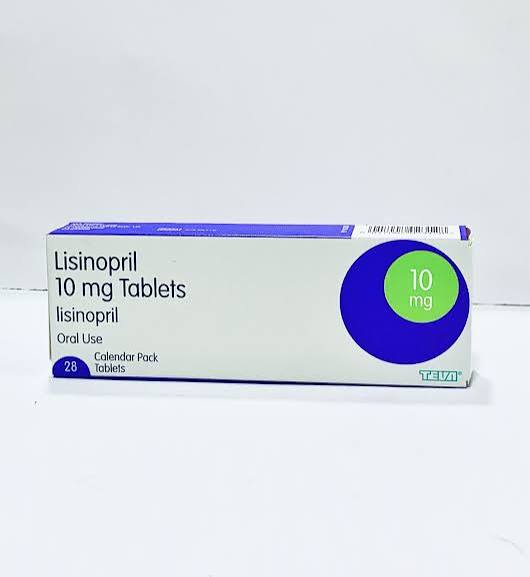
Lisinopril (Teva) is an established prescription medication belonging to the angiotensin-converting enzyme (ACE) inhibitor class. Administered orally, it is widely utilized for managing hypertension, treating heart failure, and improving post-myocardial infarction survival rates. Unlike many other ACE inhibitors, lisinopril is a direct-acting drug that does not require metabolic activation by the liver.
Active Ingredient & Mechanism of Action
-
Active Ingredient: Lisinopril dihydrate.
-
Mechanism: Lisinopril inhibits the enzyme responsible for converting angiotensin I to angiotensin II, a potent vasoconstrictor that also triggers aldosterone secretion:
-
Blood Pressure Reduction: By reducing circulating levels of angiotensin II, it promotes systemic arterial relaxation, decreases peripheral vascular resistance, and lowers blood pressure.
-
Reduced Aldosterone Secretion: Lower aldosterone levels lead to decreased sodium and water retention, helping reduce circulating fluid volume.
-
Cardioprotection & Preload/Afterload Reduction: By dilating blood vessels and lowering fluid resistance, lisinopril reduces both cardiac preload and afterload, easing the workload on a failing or damaged heart.
-
Available Strengths & Dosage Forms
Lisinopril (Teva) is manufactured as oral tablets across several standard strengths to allow precise titration:
-
Lisinopril 2.5 mg Tablets: Typically used as a low starting dose for heart failure, post-myocardial infarction, or patients at risk of severe hypotension.
-
Lisinopril 5 mg Tablets: Standard initial dose for hypertension in adults, or maintenance dose for heart failure.
-
Lisinopril 10 mg & 20 mg Tablets: Common target maintenance doses for essential hypertension and clinical post-MI regimens.
-
Lisinopril 40 mg Tablets: Maximum recommended daily dosage for blood pressure control.
Clinical Indications
Lisinopril (Teva) is indicated for:
-
Hypertension: Used as monotherapy or in combination with other classes of antihypertensive agents (such as thiazide diuretics) to lower systemic blood pressure and minimize stroke and heart attack risks.
-
Heart Failure: Adjunctive therapy alongside diuretics and digitalis to improve survival and reduce hospitalizations in patients with symptomatic heart failure.
-
Acute Myocardial Infarction (AMI): Reduction of mortality when initiated within 24 hours of an acute heart attack in hemodynamically stable patients.
-
Diabetic Nephropathy: Slows the progression of renal disease and microalbuminuria in hypertensive patients with type 1 diabetes mellitus.
Key Pharmacokinetics
-
Absorption: Rapidly absorbed following oral administration with peak serum concentrations reached in approximately 6 to 8 hours. Absorption is unaffected by food.
-
No Hepatic Activation Required: Lisinopril is not a prodrug; it exerts active enzymatic inhibition directly without requiring hepatic metabolism.
-
Half-Life & Elimination: Features an effective elimination half-life of approximately 12 hours, allowing for once-daily dosing. It does not bind to plasma proteins and is excreted entirely unchanged in the urine.
Administration & Dosage
-
Usage: Administered orally once daily, with or without food, at approximately the same time each day.
-
Renal Adjustments: Because it is eliminated unchanged by the kidneys, initial dosages must be adjusted downward in patients with impaired renal function ($\text{GFR} < 30\text{ mL/min}$).
Safety Profile & Considerations
-
Common Side Effects: Dizziness, headache, fatigue, persistent dry cough (due to bradykinin accumulation), and hyperkalemia (elevated potassium levels).
-
Boxed Warning (Fetal Toxicity): Drugs that act directly on the renin-angiotensin system can cause injury and death to the developing fetus. Discontinue immediately if pregnancy is detected.
-
Contraindications: Known history of angioedema related to previous ACE inhibitor treatment, hereditary/idiopathic angioedema, and concomitant use with aliskiren in diabetic patients.
-
Key Interactions:
-
Potassium Supplements / Potassium-Sparing Diuretics: Increased risk of hyperkalemia.
-
NSAIDs: May reduce antihypertensive effect and increase the risk of renal impairment.
-
Lithium: May increase serum lithium concentrations and toxicity.
-
Note: Lisinopril (Teva) is a prescription-only drug. Initiating treatment, monitoring kidney function, and adjusting dosage should strictly follow the directions of a licensed healthcare professional.









Reviews
There are no reviews yet.