

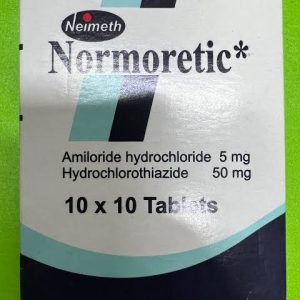
Normoretic is a combination oral antihypertensive and diuretic medication. It is formulated with two active agents—Amiloride Hydrochloride and Hydrochlorothiazide—that work together to lower blood pressure and manage fluid retention (edema) while maintaining balanced potassium levels in the body.
Active Ingredients & Dual Mechanism of Action
Normoretic combines a potassium-sparing diuretic with a thiazide diuretic:
-
Hydrochlorothiazide (50 mg): A thiazide diuretic that acts on the distal convoluted tubules of the kidneys to inhibit sodium and chloride reabsorption. This increases the urinary excretion of sodium, water, and potassium, reducing overall intravascular fluid volume and systemic blood pressure.
-
Amiloride Hydrochloride (5 mg): A potassium-sparing (antikaliuretic) diuretic that acts on the distal renal tubule to inhibit sodium reabsorption while blocking potassium excretion.
Synergistic Advantage: Hydrochlorothiazide provides strong fluid clearance and blood pressure reduction but carries a risk of hypokalemia (low blood potassium). Amiloride counteracts this potassium loss, allowing effective diuresis and blood pressure control without depleting bodily potassium stores.
Dosage Forms & Available Strengths
Normoretic is typically supplied in oral tablet form containing:
-
Normoretic Tablets: 5 mg Amiloride Hydrochloride / 50 mg Hydrochlorothiazide.
Clinical Indications
Normoretic is indicated for:
-
Essential Hypertension: Management of mild-to-moderate high blood pressure, particularly in patients who develop or are at risk of developing hypokalemia on thiazide monotherapy.
-
Edema of Cardiac Origin: Management of fluid overload in patients with congestive heart failure.
-
Hepatic Cirrhosis with Ascites: Treatment of fluid buildup and abdominal swelling caused by chronic liver dysfunction.
Key Pharmacokinetics
-
Onset of Action: Diuretic action begins within 1 to 2 hours following oral administration.
-
Duration of Action: Sustained therapeutic coverage for approximately 24 hours, allowing for once-daily dosing schedules.
-
Elimination: Hydrochlorothiazide is excreted unchanged by the kidneys. Amiloride is also eliminated via renal excretion without undergoing extensive liver metabolism.
Administration Guidelines
-
Usage: Administered orally once daily (or as prescribed), preferably in the morning with food to minimize stomach upset and prevent nighttime urination.
-
Hydration: Patients should maintain adequate, consistent fluid intake as advised by their physician to prevent severe dehydration.
Safety Profile & Considerations
-
Common Side Effects: Increased urination, dizziness, lightheadedness, headache, mild nausea, muscle cramps, and fatigue.
-
Key Precautions & Risks:
-
Hyperkalemia (High Blood Potassium): Due to the amiloride component, dangerously elevated potassium levels can occur, especially in patients with impaired renal function or diabetes. Periodic blood electrolyte monitoring is required.
-
Postural Hypotension: Sudden rises from sitting or lying positions may cause lightheadedness.
-
-
Contraindications:
-
Hyperkalemia (elevated serum potassium levels).
-
Anuria (inability to produce urine) or severe progressive renal failure.
-
Known hypersensitivity to amiloride, hydrochlorothiazide, or other sulfonamide-derived medications.
-
Concomitant use with other potassium-sparing agents or potassium supplements.
-
-
Key Interactions:
-
ACE Inhibitors & ARBs: Simultaneous use increases the risk of hyperkalemia.
-
Potassium Supplements / Salt Substitutes: Should be strictly avoided unless specifically directed and monitored by a doctor.
-
NSAIDs: Non-steroidal anti-inflammatory drugs may decrease the diuretic and antihypertensive efficacy of Normoretic and increase the risk of acute renal toxicity.
-
Lithium: Thiazide diuretics decrease renal clearance of lithium, significantly increasing the risk of lithium toxicity.
-
Note: Normoretic is a prescription-only medication. Treatment, dosage adjustment, and monitoring of renal function and blood electrolyte levels must be conducted under the direct supervision of a licensed healthcare professional.









Reviews
There are no reviews yet.