
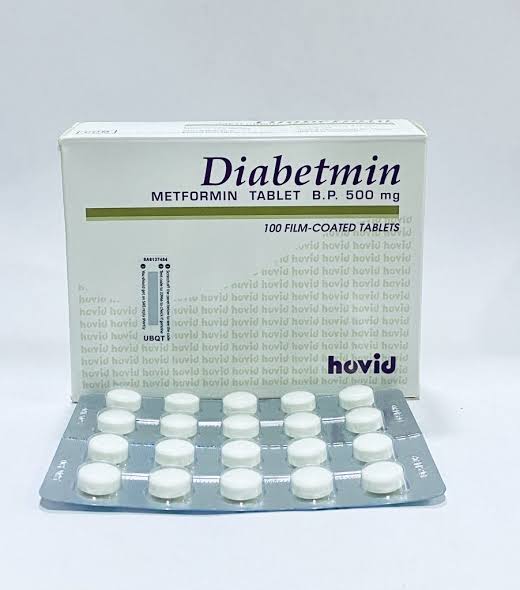
Diabetmin is a brand name for metformin hydrochloride, a widely prescribed oral biguanide antihyperglycemic medication used as a first-line treatment for managing blood glucose levels in patients with type 2 diabetes. Diabetmin does not stimulate insulin secretion from the pancreas, which means it does not cause hypoglycemia when used as monotherapy. Instead, it works through three primary mechanisms:
-
Decreases Hepatic Gluconeogenesis: Inhibits the liver from producing and releasing excess glucose into the bloodstream.
-
Enhances Peripheral Insulin Sensitivity: Increases glucose uptake and utilization by muscle and adipose tissues.
-
Delays Intestinal Glucose Absorption: Reduces the rate of glucose absorbed from food across the gastrointestinal tract.
Primary Medical Indications
Diabetmin is indicated for adult and pediatric populations (aged 10 years and older) for several endocrine and metabolic conditions, including:
-
Type 2 Diabetes Mellitus: First-line pharmacotherapy alongside diet and exercise to lower blood glucose levels and reduce HbA1c in adults and children.
-
Prediabetes Management: Off-label or approved use to delay or prevent the progression to overt type 2 diabetes in high-risk individuals.
-
Polycystic Ovary Syndrome (PCOS): Off-label administration to address insulin resistance, regulate menstrual cycles, and support ovulation in women with PCOS.
-
Antipsychotic-Induced Weight Gain: Off-label use to mitigate weight gain associated with second-generation antipsychotic medications.
Key Product Specifications & Dosing Forms
| Feature | Specification |
| Active Ingredient | Metformin Hydrochloride |
| Pharmacological Class | Biguanide Antihyperglycemic Agent |
| Available Formulations | Immediate-release (IR) film-coated tablets |
| Common Strengths | 500 mg, 850 mg film-coated tablets |
| Administration | Take orally with or immediately after meals (2 to 3 times daily) to reduce gastrointestinal adverse effects |
Critical Safety Guidelines & Precautions
-
Boxed Warning for Lactic Acidosis: Metformin accumulation can lead to lactic acidosis, a rare but life-threatening metabolic emergency. Risk factors include renal impairment (eGFR less than 30 mL/min/1.73 $\text{m}^2$), severe liver disease, acute heart failure, sepsis, and excessive alcohol consumption.
-
Gastrointestinal Tolerability: Nausea, vomiting, abdominal discomfort, flatulence, and diarrhea are common when initiating treatment. Starting with a low dose and titrating slowly helps minimize these effects.
-
Contrast Dye Interruption: Diabetmin should be temporarily discontinued prior to or at the time of intravascular iodinated contrast procedures in patients with an eGFR between 30 and 60 mL/min/1.73 $\text{m}^2$ or a history of hepatic disease.
-
Vitamin $B_{12}$ Monitoring: Long-term therapy can decrease vitamin $B_{12}$ absorption in the terminal ileum, potentially leading to anemia or peripheral neuropathy. Serum $B_{12}$ levels should be checked periodically.









Reviews
There are no reviews yet.