
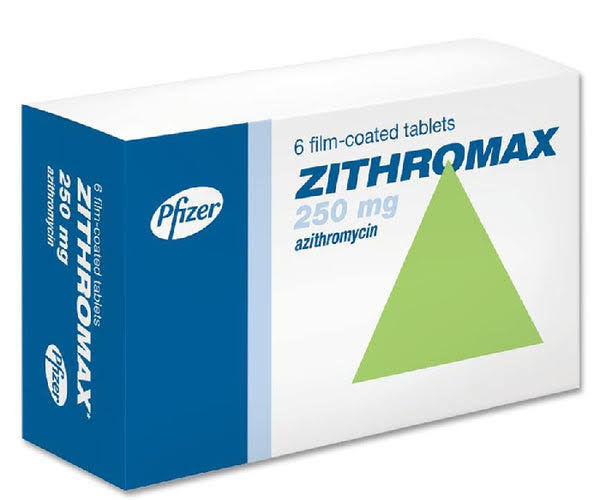
Zithromax is a widely prescribed, broad-spectrum macrolide antibiotic containing azithromycin (originally developed by Pfizer). It works by binding to the 50S ribosomal subunit of susceptible microorganisms, inhibiting bacterial protein synthesis and halting bacterial growth. Zithromax is renowned for its long tissue elimination half-life and deep tissue penetration, which allows for convenient, short-course dosing regimens (such as the 3-day or 5-day “Z-Pak”) compared to traditional antibiotics.
Primary Medical Indications
Zithromax is indicated for adult and pediatric patients to treat mild to moderate bacterial infections caused by sensitive microorganisms, including:
-
Respiratory Tract Infections: Community-acquired pneumonia (CAP), acute bacterial exacerbations of chronic obstructive pulmonary disease (COPD), acute bacterial sinusitis, tonsillitis, and pharyngitis.
-
Sexually Transmitted Infections (STIs): Uncomplicated urethritis and cervicitis caused by Chlamydia trachomatis or Haemophilus ducreyi (chancroid).
-
Skin & Soft Tissue Infections: Uncomplicated skin infections, folliculitis, cellulitis, and erysipelas.
-
Ear & Pediatric Infections: Acute otitis media (middle ear infection) in pediatric patients.
-
Mycobacterial Infections: Treatment and prophylaxis of disseminated Mycobacterium avium complex (MAC) disease in patients with advanced HIV.
Key Product Specifications & Dosing Forms
| Feature | Specification |
| Active Ingredient | Azithromycin (as Dihydrate) |
| Pharmacological Class | Azalide Subclass of Macrolide Antibiotics |
| Available Formulations | Film-coated tablets, oral suspension powder, IV injection/infusion |
| Common Strengths | 250 mg, 500 mg, 600 mg tablets; 100 mg/5 mL, 200 mg/5 mL oral suspension; 500 mg IV vial |
| Administration | Take orally once daily. Immediate-release tablets and suspension can be taken with or without food |
Important Safety & Clinical Precautions
-
Cardiac Safety (QT Prolongation): Zithromax can cause abnormal changes in the electrical activity of the heart, leading to a potentially fatal irregular heart rhythm (including Torsades de Pointes). Caution is required in patients with known QT prolongation, uncorrected hypokalemia, or those taking antiarrhythmic drugs.
-
Hepatic Dysfunction: Use with caution in patients with pre-existing liver disease; discontinue immediately if signs of hepatitis or jaundice occur.
-
Antacid Interactions: Aluminum- and magnesium-containing antacids reduce the peak serum levels of oral azithromycin. Separate administration by taking Zithromax at least 1 hour before or 2 hours after antacids.
-
Penicillin Allergy Alternative: Provides an effective treatment option for patients who have severe allergies to penicillins or beta-lactam antibiotics.







Reviews
There are no reviews yet.