
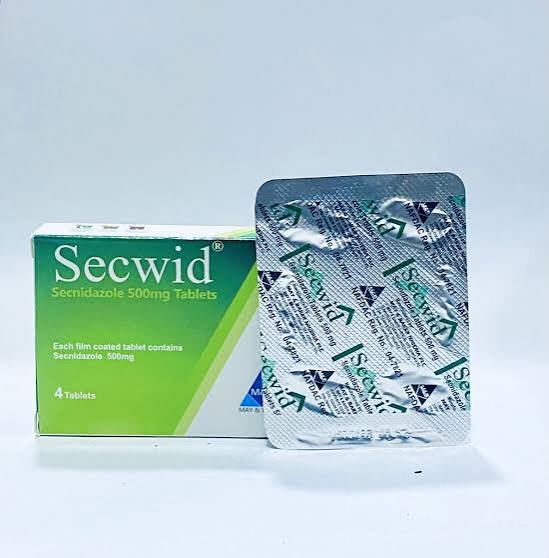
Secwid is a synthetic, long-acting second-generation 5-nitroimidazole derivative containing secnidazole. It exerts its antimicrobial activity by entering susceptible anaerobic bacterial or protozoal cells via passive diffusion, where intracellular electron transport proteins reduce its nitro group. The resulting reactive nitro radicals cause structural breakdown of bacterial and parasitic DNA, inhibiting nucleic acid synthesis and triggering rapid cell death. Secwid is characterized by an extended elimination half-life (approximately 17 to 29 hours), allowing for effective single-dose oral therapy for many indications.
Primary Medical Indications
Secwid is indicated for adult patients for the single-dose or short-course treatment of specific protozoal and anaerobic infections, including:
-
Bacterial Vaginosis (BV): Treatment of vaginal dysbiosis caused by Gardnerella vaginalis, Mobiluncus species, and anaerobic bacteria.
-
Trichomoniasis: Genital tract infections in males and females caused by Trichomonas vaginalis (sexual partners should be treated simultaneously).
-
Amebiasis: Intestinal amebiasis (acute amebic dysentery) and hepatic amebiasis (amebic liver abscess) caused by Entamoeba histolytica.
-
Giardiasis: Intestinal parasite infections caused by Giardia lamblia (Giardia duodenalis).
Key Product Specifications & Dosing Forms
| Feature | Specification |
| Active Ingredient | Secnidazole |
| Pharmacological Class | 5-Nitroimidazole Antiprotozoal & Anaerobic Antibacterial |
| Available Formulations | Film-coated oral tablets, oral granules |
| Common Strengths | 500 mg tablets (typically packaged as a 4-tablet single-course pack of 2 g total) |
| Administration | Take orally as a single 2 g dose (4 × 500 mg tablets) with meals or water to minimize gastric irritation |
Critical Safety Guidelines & Precautions
-
Strict Alcohol Restriction: Patients must avoid alcohol during therapy and for at least 72 hours after taking Secwid. Like other nitroimidazoles, secnidazole can induce a severe disulfiram-like reaction (flushing, throbbing headache, tachycardia, and vomiting).
-
Sexual Partner Co-Treatment: In cases of trichomoniasis, both sexual partners must take the prescribed single-dose treatment concurrently to prevent reinfection.
-
Pregnancy & Lactation: Contraindicated during the first trimester of pregnancy. Nursing mothers should temporarily suspend breastfeeding during treatment and for at least 96 hours after receiving the dose.
-
Blood Dyscrasias: Use with caution in patients with a history of active or past blood dyscrasias; leukopenia may occasionally occur during treatment.










Reviews
There are no reviews yet.