
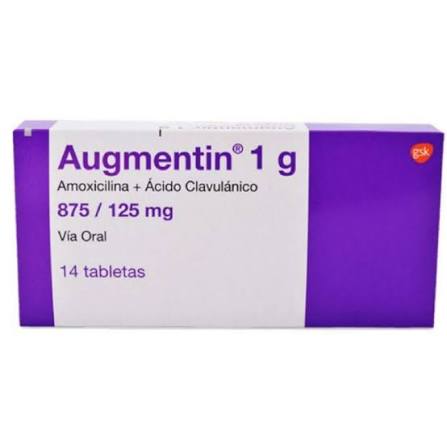
What Is Augmentin? Augmentin is a combination prescription antibiotic containing amoxicillin (a penicillin-class antibiotic) and clavulanate potassium (a beta-lactamase inhibitor). It is prescribed to treat a wide range of bacterial infections, particularly those caused by bacteria resistant to standard amoxicillin alone.
Key Medical Uses Augmentin treats a variety of mild-to-severe bacterial infections, including:
-
Respiratory Tract Infections: Sinusitis, acute bronchitis, pneumonia, and middle ear infections (otitis media).
-
Skin and Soft Tissue Infections: Cellulitis, wound infections, and animal or human bites.
-
Urinary Tract Infections (UTIs): Uncomplicated and complicated kidney or bladder infections.
-
Dental & Oral Infections: Severe tooth abscesses and periodontal infections.
Mechanism of Action
-
Amoxicillin: Inhibits the synthesis of bacterial cell walls, leading to bacterial cell death.
-
Clavulanate Potassium: Blocks beta-lactamase enzymes produced by certain resistant bacteria, protecting amoxicillin from degradation and extending its antimicrobial spectrum.
Common Formulations & Dosage Forms Augmentin is available in multiple forms to accommodate adult and pediatric patients:
-
Oral Tablets: Standard and extended-release (XR) formulations (e.g., 500 mg/125 mg, 875 mg/125 mg, 1000 mg/62.5 mg).
-
Chewable Tablets: For patients who have difficulty swallowing pills.
-
Oral Suspension: Liquid formula commonly used for pediatric patients.
Important Precautions & Side Effects
-
Common Side Effects: Diarrhea, nausea, vomiting, abdominal discomfort, and skin rash.
-
Penicillin Allergy: Contraindicated in individuals with a known history of severe allergic reactions to penicillin or cephalosporin antibiotics.
-
Liver Function: Use with caution in patients with pre-existing hepatic dysfunction or a history of Augmentin-associated jaundice.
-
Medical Supervision: Must be taken exactly as prescribed for the full duration to prevent antibiotic resistance.










Reviews
There are no reviews yet.