
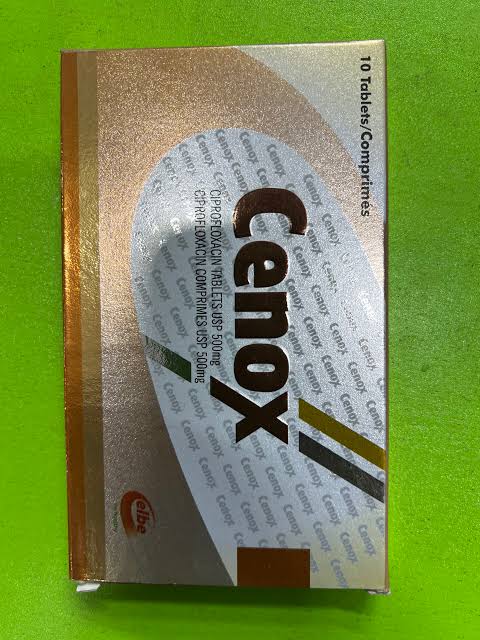
Cenox is a broad-spectrum, third-generation cephalosporin antibiotic containing ceftriaxone (as ceftriaxone sodium). It operates by binding to penicillin-binding proteins (PBPs), inhibiting bacterial cell wall synthesis and causing cell lysis and bacterial death. Because of its high stability against bacterial beta-lactamases and its long plasma half-life, Cenox is widely relied upon in both hospital and outpatient clinical settings for once-daily or twice-daily parenteral administration against severe Gram-negative and Gram-positive bacterial pathogens.
Primary Medical Indications
Cenox injection is indicated for adult and pediatric treatment of moderate to severe bacterial infections, including:
-
Central Nervous System Infections: Bacterial meningitis caused by Neisseria meningitidis, Streptococcus pneumoniae, or Haemophilus influenzae.
-
Severe Respiratory Infections: Community-acquired pneumonia (CAP) and hospital-acquired pneumonia.
-
Systemic Infections & Sepsis: Bacterial septicemia and fever in neutropenic patients (as empirical therapy).
-
Intra-Abdominal & Pelvic Infections: Peritonitis, biliary tract infections, Pelvic Inflammatory Disease (PID), and uncomplicated gonorrhea (Neisseria gonorrhoeae).
-
Bone, Joint & Soft Tissue Infections: Osteomyelitis, septic arthritis, cellulitis, and complicated wound infections.
-
Surgical Prophylaxis: Preoperative administration to lower the risk of post-surgical infections.
Key Product Specifications & Dosing Forms
| Feature | Specification |
| Active Ingredient | Ceftriaxone sodium |
| Pharmacological Class | Third-generation Cephalosporin Antibiotic |
| Dosage Form | Dry powder for reconstitution (Parenteral Solution) |
| Common Strengths | 250 mg, 500 mg, 1 g, 2 g vials |
| Administration | Intramuscular (IM) injection (reconstituted with Lidocaine 1% solution to reduce pain) or Intravenous (IV) infusion |
Critical Safety Guidelines & Precautions
-
Calcium Interaction Warning in Neonates: Cenox (ceftriaxone) is strictly contraindicated in hyperbilirubinemic neonates and premature infants, as well as any neonates requiring intravenous calcium-containing solutions (e.g., Ringer’s solution or Parenteral Nutrition), due to the risk of fatal ceftriaxone-calcium salt precipitation in the lungs and kidneys.
-
Penicillin & Cephalosporin Allergy: Contraindicated in patients with a history of severe hypersensitivity (anaphylaxis) to ceftriaxone, penicillins, or other beta-lactam antibiotics.
-
Biliary & Renal Monitoring: Prolonged high-dose administration may lead to reversible ceftriaxone-calcium precipitates in the gallbladder (biliary pseudolithiasis); monitor renal and liver function closely during long-term therapy.
-
Alcohol Consumption: Unlike oral cephalosporins with a tetrazolethiomethyl side chain, ceftriaxone generally does not trigger a disulfiram-like reaction, but co-administration of IV antibiotics with alcohol should always be avoided during acute illness.










Reviews
There are no reviews yet.