
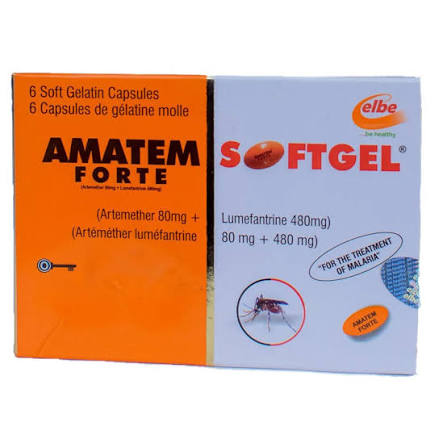
Amatem (marketed by Elbe Pharma) is a fixed-dose Artemisinin-based Combination Therapy (ACT) antimalarial containing two active pharmaceutical ingredients: artemether and lumefantrine.
-
Artemether: A fast-acting semi-synthetic endoperoxide derivative of artemisinin. It undergoes endoperoxide cleavage by free intra-parasitic iron, generating reactive oxygen species (free radicals) that damage essential parasitic proteins and lipids, achieving rapid clearance of parasitemia and prompt fever relief within hours.
-
Lumefantrine: A long-acting lipophilic synthetic aryl-amino alcohol derivative. It acts by interfering with the polymerization of toxic heme into non-toxic hemozoin inside the parasite’s food vacuole. The accumulated toxic heme causes parasite destruction, clearing remaining residual parasites and preventing disease relapse.
By combining a fast-acting agent with a long-acting partner drug, Amatem ensures rapid clinical recovery while protecting both active compounds against the emergence of drug resistance.
Primary Medical Indications
Amatem is indicated for adult, pediatric, and infant populations in the treatment of acute, uncomplicated parasitic infections:
-
Uncomplicated Plasmodium falciparum Malaria: First-line treatment for acute, uncomplicated infections caused by P. falciparum or mixed infections containing P. falciparum.
-
Multi-Drug Resistant Malaria: Highly effective against P. falciparum strains that show resistance to older antimalarial monotherapies (such as chloroquine or sulfadoxine-pyrimethamine).
-
Treatment of Other Plasmodium Species: Effective against blood-stage schizonts of Plasmodium vivax, Plasmodium ovale, and Plasmodium malariae (radical cure for hypnozoites in P. vivax and P. ovale requires additional treatment with primaquine or tafenoquine).
Key Product Specifications & Dosing Forms
| Feature | Specification |
| Active Ingredients | Artemether + Lumefantrine |
| Pharmacological Class | Artemisinin-based Combination Therapy (ACT) Antimalarial |
| Available Formulations | Softgel capsules (Amatem Softgel), film-coated tablets (Amatem Forte), dry powder for oral suspension |
| Common Strengths |
Standard: 20 mg / 120 mg softgels/tablets Forte: 80 mg / 480 mg tablets Suspension: 15 mg / 90 mg per 5 mL, 20 mg / 120 mg per 5 mL |
| Standard Regimen |
6-dose regimen over 3 days (68 hours total): • Dose 1: At time of diagnosis • Dose 2: 8 hours after Dose 1 • Doses 3–6: Given twice daily (morning & evening) for the next 2 days |
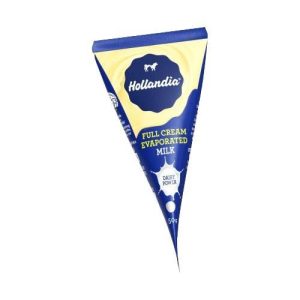
| Administration | Must be taken with fatty food or full-cream milk (lumefantrine absorption increases up to 16-fold when co-administered with dietary lipids) |
Critical Safety Guidelines & Precautions
-
Must Be Taken with High-Fat Food or Milk: Lumefantrine is highly lipophilic and depends heavily on dietary fats for systemic bioabsorption. Taking Amatem on an empty stomach drastically reduces drug levels, risking therapeutic failure and recrudescence.
-
Re-Dosing Protocol for Vomiting: If vomiting occurs within 1 hour of taking a dose, a full replacement dose must be administered immediately. If persistent vomiting prevents oral retention, transition the patient to parenteral therapy (e.g., IV or IM artesunate).
-
QTc Prolongation Warning: Lumefantrine has the potential to prolong the QTc interval on an ECG. Avoid concurrent use with other QT-prolonging drugs (e.g., macrolides, antiarrhythmics, quinine, halofantrine) or in patients with congenital long QT syndrome.
-
Not for Severe/Complicated Malaria: Contraindicated as monotherapy for severe or complicated malaria (e.g., cerebral malaria, severe malarial anemia, pulmonary edema). Severe cases require immediate intravenous antimalarial intervention.
-
Prophylaxis Restriction: Amatem is strictly a therapeutic curative agent and must never be used for malaria prophylaxis.





Reviews
There are no reviews yet.